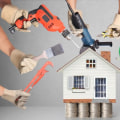
In an era where environmental concerns are at the forefront of global discussions, eco-friendly home repair and maintenance has emerged as a vital practice for homeowners. This approach not only addresses the immediate needs of maintaining a home but also emphasizes the importance of sustainability and reducing our ecological footprint. By choosing sustainable maintenance options, homeowners can contribute to a healthier planet while ensuring their living spaces remain safe and functional. Understanding the principles of green home solutions is essential for anyone looking to make informed decisions about their home repairs. From selecting non-toxic materials to implementing energy-efficient systems, eco-friendly practices can significantly reduce waste and energy consumption.
For instance, using reclaimed wood for repairs or opting for low-VOC paints can enhance indoor air quality while minimizing harmful emissions. Moreover, embracing eco-friendly methods in home repair not only benefits the environment but can also lead to long-term cost savings. Energy-efficient appliances and sustainable materials often result in lower utility bills and reduced maintenance costs over time. As we delve deeper into the various options available for eco-conscious home repair and maintenance, it becomes clear that these choices are not just beneficial for the planet but also enhance the overall quality of life for homeowners.
Choosing Sustainable Materials for Repairs
When it comes to home repair and maintenance, choosing sustainable materials is a crucial step towards reducing your environmental footprint. By opting for eco-friendly building supplies, you not only contribute to a healthier planet but also often enjoy enhanced durability and aesthetic appeal in your home.Reclaimed Wood
Reclaimed wood is a popular choice for various home repairs, from flooring to furniture.Sourced from old barns, factories, and other structures, this material not only reduces the demand for new lumber but also adds character and history to your space. Additionally, using reclaimed wood helps divert waste from landfills.
Bamboo
Bamboo is another sustainable option that has gained popularity in recent years. Known for its rapid growth and renewability, bamboo is an excellent choice for flooring, cabinetry, and even structural elements. Its natural strength and versatility make it a durable alternative to traditional hardwoods.Recycled Metal
For those looking at green repair materials, recycled metal is an outstanding option.Whether used for roofing, siding, or fixtures, recycled metal products help reduce the need for new mining operations and are often more energy-efficient to produce. They also offer longevity and resistance to weathering.
Low-VOC Paints
When it comes to finishing touches, consider using low-VOC paints. These paints contain fewer volatile organic compounds, which can be harmful to both health and the environment. By choosing low-VOC options, you can maintain indoor air quality while still achieving vibrant colors and finishes.Incorporating these sustainable materials into your home repair and maintenance projects not only supports eco-friendly practices but also enhances the overall quality of your living space.With a growing availability of these materials in local hardware stores and online retailers, making the switch has never been easier.
Energy-Efficient Home Maintenance Practices
Maintaining an energy-efficient home is crucial not only for reducing utility bills but also for minimizing your environmental impact. Implementing energy-efficient maintenance practices can lead to significant home energy savings over time.Proper Insulation
- Ensure that your home is well-insulated to prevent heat loss in the winter and keep it cool in the summer. This includes checking insulation in attics, walls, and basements.
- Consider using eco-friendly insulation materials such as cellulose or sheep's wool, which are both effective and sustainable.
Energy-Efficient Appliances
- When replacing old appliances, opt for those with the Energy Star label. These appliances are designed to use less energy while providing the same level of performance.
- Regularly maintain your appliances by cleaning filters and coils, which can improve their efficiency and extend their lifespan.
Regular HVAC Maintenance
- Schedule annual inspections for your heating, ventilation, and air conditioning (HVAC) system.
A well-maintained system operates more efficiently, reducing energy consumption.
- Change air filters regularly to ensure optimal airflow and efficiency. Clogged filters can cause your system to work harder, leading to increased energy use.
Smart Home Technology
- Invest in smart thermostats that learn your schedule and adjust temperatures accordingly. This can lead to substantial energy savings by optimizing heating and cooling when you are home or away. Invest in smart thermostats that learn your schedule and adjust temperatures accordingly. This can lead to substantial energy savings by optimizing heating and cooling when you are home or away.
- Utilize smart lighting systems that allow you to control lights remotely or set schedules, reducing unnecessary energy use.
Water Conservation Techniques in Home Repair
Water conservation is a crucial aspect of home repair and maintenance, especially in an era where sustainable practices are becoming increasingly important.Implementing eco-friendly plumbing solutions can significantly reduce water waste while maintaining the functionality of your home.
Low-Flow Fixtures
One of the simplest ways to conserve water is by installing low-flow fixtures. These include faucets, showerheads, and toilets designed to use less water without sacrificing performance. For instance, low-flow showerheads can reduce water usage by up to 50%, making them an excellent choice for eco-conscious homeowners.Rainwater Harvesting Systems
Another effective technique is the installation of rainwater harvesting systems. These systems collect rainwater from rooftops and store it for later use, such as irrigation or flushing toilets.By utilizing this natural resource, homeowners can significantly decrease their reliance on municipal water supplies.
Drought-Resistant Landscaping
In addition to plumbing solutions, consider adopting drought-resistant landscaping. This approach involves using native plants that require less water and are better adapted to local climates. Incorporating xeriscaping principles not only conserves water but also reduces the need for chemical fertilizers and pesticides, promoting a healthier ecosystem.- Install drip irrigation: This method delivers water directly to the plant roots, minimizing evaporation and runoff.
- Use mulch: Applying mulch around plants helps retain soil moisture and reduces the frequency of watering.
- Group plants by water needs: Organizing your garden based on the water requirements of different plants can optimize irrigation efficiency.
Eco-Friendly Pest Control Solutions
When it comes to home repair and maintenance, addressing pest issues sustainably is crucial for both your home and the environment.Traditional pest control methods often rely on harsh chemicals that can be harmful to both humans and pets. Fortunately, there are several eco-friendly pest control solutions that effectively manage pests while minimizing environmental impact.
Natural Repellents
One of the simplest ways to deter pests is by using natural repellents. Ingredients like peppermint oil, vinegar, and diatomaceous earth can be effective against a variety of pests:- Peppermint Oil: This essential oil is known to repel spiders, ants, and mice. Mixing a few drops with water in a spray bottle can create a natural deterrent.
- Vinegar: A solution of equal parts vinegar and water can help keep ants and fruit flies at bay.
Spray it around entry points to prevent infestations.
- Diatomaceous Earth: This powdery substance is made from fossilized algae and can be sprinkled in areas where pests are present. It works by dehydrating insects that come into contact with it.
Integrated Pest Management (IPM)
Integrated Pest Management (IPM) is a holistic approach that combines various strategies for effective pest control. This method emphasizes prevention, monitoring, and control through environmentally sensitive practices:- Prevention: Keeping your home clean and sealing cracks can significantly reduce pest entry points.
- Monitoring: Regularly check for signs of pests to catch infestations early before they escalate.
- Control: When necessary, use eco-friendly traps or natural pesticides as part of your management strategy.
DIY Eco-Friendly Home Repair Projects
Engaging in DIY eco-friendly home repair projects not only helps you save money but also contributes to a more sustainable environment.Here are some innovative and simple projects you can undertake:
- Repairing Leaky Faucets: A leaky faucet can waste gallons of water. To fix it, turn off the water supply, disassemble the faucet, and replace worn-out washers or O-rings with eco-friendly materials. This simple fix can save water and reduce your utility bills.
- Insulating Windows: Instead of replacing old windows, consider using window film or weather stripping to improve insulation. These materials are often made from recycled content and can significantly reduce heating and cooling costs.
- Creating Natural Paint: If you're looking to refresh your walls, consider making your own paint using natural ingredients like clay, milk, or plant pigments.
This not only reduces harmful VOC emissions but also gives your home a unique touch.
- Building a Compost Bin: A compost bin is an excellent way to recycle kitchen scraps and yard waste. You can build one using reclaimed wood or pallets, creating a sustainable solution for waste management while enriching your garden soil.
The more you learn, the more effective your home repair and maintenance efforts will be in promoting sustainability.
Hiring Green Contractors for Home Repairs
When it comes to home repair and maintenance, hiring a green contractor can significantly reduce your environmental impact while ensuring quality workmanship. Here are some essential tips for finding and hiring professionals who specialize in eco-friendly practices.- Research Credentials: Look for contractors who have certifications in sustainable building practices, such as LEED (Leadership in Energy and Environmental Design) or similar eco-friendly designations. These credentials indicate a commitment to environmentally responsible methods.
- Ask About Materials: Inquire whether the contractor uses sustainable materials, such as reclaimed wood, low-VOC paints, or energy-efficient appliances. A good green contractor will be knowledgeable about eco-friendly products and their benefits.
- Check References: Request references from previous clients who have undertaken similar projects.
This will give you insight into the contractor's experience with eco-friendly services and their ability to deliver on promises.
- Evaluate Their Practices: Discuss the contractor's approach to waste management and recycling during the project. A responsible green contractor should have a plan for minimizing waste and properly disposing of materials.
- Get Multiple Quotes: Don’t settle for the first estimate you receive. Obtain quotes from several contractors to compare not only prices but also their commitment to sustainability. This will help you make an informed decision.
Investing in sustainable home repair professionals not only benefits your home but also contributes positively to the planet.
Frequently Asked Questions about Eco-Friendly Home Repair and Maintenance
When it comes to eco-friendly home repair and maintenance, many homeowners have questions about how to make sustainable choices. Here are some frequently asked questions that can help guide your decisions:- What materials are best for eco-friendly repairs?
Look for materials that are sustainably sourced, such as bamboo, reclaimed wood, or recycled metal. Additionally, consider low-VOC (volatile organic compounds) paints and finishes to improve indoor air quality. - How can I ensure my home repairs are energy-efficient?
Opt for energy-efficient appliances and fixtures, such as Energy Star-rated products. Insulation upgrades and sealing drafts can also significantly reduce energy consumption. - Are there eco-friendly options for plumbing repairs?
Yes! Consider using low-flow fixtures and water-saving toilets.Additionally, look for plumbing materials that are free from harmful chemicals, such as lead-free pipes.
- What should I do with old materials from repairs?
Instead of throwing away old materials, explore recycling options or donate usable items to local charities or habitat for humanity. Many communities also have recycling programs specifically for construction waste. - Can I find eco-friendly contractors?
Absolutely! Look for contractors who specialize in green building practices or have certifications in sustainable construction. They can provide valuable insights into eco-friendly options for your home.
Conclusion: Embracing Sustainable Home Repair Practices
In conclusion, embracing sustainable home repair and maintenance practices is not just a trend; it is a necessary shift towards a more environmentally responsible lifestyle.By choosing eco-friendly materials and methods, homeowners can significantly reduce their carbon footprint while enhancing the longevity and efficiency of their homes. Throughout this article, we explored various eco-friendly options that can be integrated into home repair and maintenance routines. From utilizing recycled materials for renovations to opting for low-VOC paints, each choice contributes to a healthier living environment. Additionally, implementing energy-efficient appliances and fixtures not only conserves resources but also leads to long-term cost savings. Moreover, regular maintenance using sustainable practices ensures that homes remain in good condition without compromising the planet's health. Simple actions like using natural cleaning products or installing rainwater harvesting systems can make a significant impact. As we move forward, it is crucial for homeowners to prioritize eco-friendly solutions.
Not only do these practices benefit the environment, but they also promote a sense of community responsibility and awareness. By sharing knowledge and resources about sustainable home repair, we can inspire others to follow suit. Ultimately, adopting these practices is an investment in both our homes and the future of our planet. Let us commit to making conscious choices that reflect our dedication to sustainability in every aspect of home repair and maintenance.