Water damage is a pervasive issue that can affect any home, often leading to significant repair costs and long-term consequences. Understanding the causes of water damage is essential for homeowners who wish to protect their property. Common culprits include leaky roofs, burst pipes, and flooding from heavy rainfall. Even seemingly minor issues, such as condensation from poorly insulated windows or malfunctioning appliances, can lead to serious problems if left unaddressed. The consequences of water damage extend beyond just structural concerns.
Mold growth is one of the most alarming outcomes, posing health risks to residents and requiring extensive remediation efforts. Additionally, water damage can compromise the integrity of your home’s foundation and lead to costly repairs that could have been avoided with proper home repair and maintenance. The financial burden of these repairs can be overwhelming, making it crucial for homeowners to take proactive measures. By recognizing the signs of potential water damage and understanding its causes, homeowners can implement effective prevention strategies. This not only safeguards their investment but also ensures a safe and healthy living environment.
In the following sections, we will explore practical ways to prevent water damage in your home, emphasizing the importance of regular maintenance and timely repairs.
Regular Home Maintenance Checks
Regular home maintenance checks are essential for preventing water damage and ensuring the longevity of your property. By conducting routine inspections, homeowners can identify potential issues before they escalate into costly repairs.Roof Inspections: The roof is your home’s first line of defense against the elements. Regular inspections can help you spot missing shingles, cracks, or signs of wear that could lead to leaks. Aim to inspect your roof at least twice a year, especially after severe weather events.Plumbing Checks: Plumbing issues are a common source of water damage.Regularly check for leaks under sinks, around toilets, and in exposed pipes. Look for signs of moisture or water stains on walls and ceilings, which may indicate hidden leaks. Consider hiring a professional plumber for an annual inspection to ensure your system is functioning properly.Gutter Cleaning: Clogged gutters can cause water to overflow and seep into your home’s foundation. Clean your gutters at least twice a year, or more frequently if you have overhanging trees.
Ensure downspouts direct water away from the foundation to prevent pooling. In addition to these specific checks, it’s beneficial to establish a home maintenance checklist that includes seasonal tasks such as checking window seals and inspecting basement areas for moisture. By staying proactive with these regular inspections, you can significantly reduce the risk of water damage and maintain the integrity of your home.
Proper Drainage Systems
One of the most effective ways to prevent water damage in your home is by ensuring that you have proper drainage systems in place. A well-designed drainage system can significantly reduce the risk of flooding and water accumulation around your property, which are common culprits of water damage.Understanding Drainage Systems
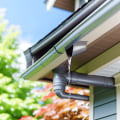
Drainage systems are designed to direct water away from your home’s foundation. This includes gutters, downspouts, and surface drains.
When these systems are functioning correctly, they help to manage rainwater and prevent it from pooling near your home.
Tips for Maintaining and Improving Drainage
- Regularly Clean Gutters: Ensure that your gutters are free from debris such as leaves and twigs. Clogged gutters can lead to overflow, causing water to seep into your home’s foundation.
- Check Downspouts: Make sure downspouts direct water at least 5-10 feet away from your foundation. You can extend them if necessary to ensure proper flow.
- Install French Drains: If you live in an area prone to heavy rainfall, consider installing a French drain system. This type of drainage collects excess water and redirects it away from your home.
- Grade Your Landscape: The ground around your home should slope away from the foundation.
This grading helps to channel water away and prevents pooling.
- Inspect for Cracks: Regularly check for cracks in your foundation or walls. Seal any gaps to prevent water intrusion during heavy rains.
Sealing and Insulating Your Home
One of the most effective ways to prevent water damage in your home is by sealing and insulating key areas where moisture can enter. Proper sealing of windows, doors, and other openings is crucial in maintaining a dry environment.Sealing Windows and Doors
- Inspect the caulking around your windows and doors regularly.
Look for cracks or gaps that may allow water to seep in.
- Replace old or damaged weather stripping to ensure a tight seal. This not only prevents leaks but also improves energy efficiency.
- Consider using expandable foam sealant for larger gaps, especially around window frames and door thresholds.
Insulation Techniques
- Ensure that your attic is properly insulated. A well-insulated attic can prevent condensation from forming, which can lead to mold growth and water damage.
- Use vapor barriers in crawl spaces and basements to keep moisture from seeping into your living areas. This is particularly important in humid climates.
- Check insulation in walls and floors.
Insufficient insulation can lead to temperature fluctuations that cause condensation.
Installing Water Detection Systems
Water damage can lead to costly repairs and significant disruption in your home. One of the most effective ways to mitigate this risk is by installing water detection systems. These systems utilize advanced leak detection technology to monitor your home for any signs of water leaks, providing you with peace of mind.Modern water detection systems come in various forms, from simple sensors to sophisticated smart home devices.Here are some options to consider:
- Standalone Water Sensors: These are basic devices that can be placed in areas prone to leaks, such as basements, under sinks, or near appliances. When they detect moisture, they emit an alarm to alert you.
- Smart Water Leak Detectors: These devices connect to your home Wi-Fi network and can send alerts directly to your smartphone. Some models even allow you to monitor water usage and detect unusual patterns that may indicate a leak.
- Whole-House Systems: For comprehensive protection, consider a whole-house water detection system. These systems integrate with your plumbing and can automatically shut off the water supply if a leak is detected, preventing extensive damage.
- Real-time Alerts: Ensure the system can send immediate notifications via text or app alerts.
- Battery Backup: Choose devices with battery backup options to ensure functionality during power outages.
- Integration with Smart Home Systems: If you have a smart home setup, opt for devices that can integrate seamlessly with your existing technology.
This proactive approach not only protects your property but also contributes to overall home repair and maintenance, ensuring your living space remains safe and sound.
Emergency Preparedness for Water Damage
Being prepared for potential water damage is crucial for every homeowner. An effective emergency response plan can significantly reduce the impact of leaks or floods. Here are some essential steps to consider:- Assess Your Risk: Identify areas in your home that are prone to water damage, such as basements, bathrooms, and kitchens. Understanding your vulnerabilities will help you prioritize your preparedness efforts.
- Create an Emergency Kit: Assemble a kit that includes essential items such as a flashlight, batteries, first aid supplies, and a portable phone charger.
Don’t forget to include important documents in a waterproof container.
- Develop a Water Damage Response Plan: Outline specific actions to take in the event of a leak or flood. This plan should include:
- Shutting off the main water supply to prevent further damage.
- Identifying and contacting emergency services or a trusted plumber.
- Documenting the damage with photos for insurance purposes.
- Know Your Insurance Policy: Review your homeowner's insurance policy to understand what is covered regarding water damage. Ensure you have adequate coverage for potential flooding.
- Regular Maintenance Checks: Schedule routine inspections of your plumbing and appliances. Look for signs of wear and tear, such as rusted pipes or worn-out hoses, and replace them as needed.
- Evacuate if Necessary: If the situation poses a risk to your safety, evacuate immediately.
- Turn Off Electricity: If safe to do so, turn off the electricity in affected areas to prevent electrical hazards.
- Remove Water: Use buckets, mops, or wet vacuums to remove standing water as quickly as possible.
- Dry Out the Area: Open windows and use fans or dehumidifiers to help dry out the space and prevent mold growth.
FAQs About Preventing Water Damage in Homes
Homeowners often have questions about how to effectively prevent water damage in their homes.Here are some of the most frequently asked questions regarding this important aspect of home repair and maintenance.
What are the most common causes of water damage?
Water damage can stem from various sources, including:- Leaky roofs: Damaged shingles or flashing can allow water to seep in.
- Pipes and plumbing issues: Old or corroded pipes may burst or leak.
- Appliance malfunctions: Washing machines, dishwashers, and refrigerators can develop leaks.
- Flooding: Heavy rains or natural disasters can lead to significant water intrusion.
- Humidity: High indoor humidity can cause condensation and mold growth.
How can I identify potential water damage early?
Regular inspections are key to catching water damage before it escalates. Look for:- Stains on walls or ceilings: Discoloration may indicate a leak.
- Mold growth: Musty odors or visible mold can signal moisture problems.
- Damp spots: Check for wet areas around windows, doors, and basements.
- Peeling paint or wallpaper: This can be a sign of trapped moisture.
What preventive measures can I take?
To safeguard your home against water damage, consider these proactive steps:- Maintain gutters and downspouts: Ensure they are clear of debris to direct water away from your foundation.
- Inspect your roof regularly: Replace damaged shingles and check for leaks.
- Seal windows and doors: Use caulk or weather stripping to prevent water intrusion.
- Install a sump pump: This can help manage groundwater levels in basements.
- Monitor indoor humidity: Use dehumidifiers in damp areas to reduce moisture levels.
Conclusion: Key Takeaways for Homeowners
In conclusion, preventing water damage in your home is a critical aspect of home repair and maintenance that every homeowner should prioritize. By taking proactive measures, you can significantly reduce the risk of costly repairs and ensure a safe living environment.Key Strategies to Remember
- Regular Inspections: Conduct routine checks of your plumbing, roof, and foundation to identify potential issues before they escalate.
- Proper Drainage: Ensure that gutters and downspouts are clear and direct water away from your home’s foundation.
- Seal Vulnerable Areas: Use caulk or weather stripping to seal windows, doors, and any cracks in walls to prevent moisture intrusion.
- Install Water Alarms: Consider installing water leak detectors in areas prone to flooding, such as basements and near appliances.
- Maintain Landscaping: Keep plants and soil at least a few inches away from your home’s foundation to avoid water pooling.
Make it a habit to stay informed about the best practices in home repair and maintenance, and don’t hesitate to consult professionals when necessary. Your home is one of your most significant investments; safeguarding it from water damage is essential for long-term peace of mind.