Home repair and maintenance are essential aspects of homeownership that can significantly impact the comfort, safety, and value of your property. Understanding when to tackle a repair yourself and when to call someone who repairs refrigerators can save you time, money, and stress. With the rise of DIY culture, many homeowners are eager to take on projects that once seemed daunting. However, not all repairs are suitable for the average homeowner, and knowing the difference is crucial. When considering a home repair, it’s important to assess your skills, tools, and the complexity of the task at hand. Home repair and maintenance are essential aspects of homeownership that can significantly impact the comfort, safety, and value of your property. Understanding when to tackle a repair yourself and when to call someone who repairs refrigerators can save you time, money, and stress. With the rise of DIY culture, many homeowners are eager to take on projects that once seemed daunting. However, not all repairs are suitable for the average homeowner, and knowing the difference is crucial. When considering a home repair, it’s important to assess your skills, tools, and the complexity of the task at hand.
Simple tasks like changing a light fixture or patching a small hole in the wall may be well within your capabilities. On the other hand, more complex issues such as electrical work, plumbing problems, or structural repairs often require specialized knowledge and experience. Attempting these without proper expertise can lead to further damage or safety hazards. Additionally, understanding the long-term implications of your repairs is vital. Some DIY fixes may provide a temporary solution but could lead to larger issues down the line if not done correctly.
In contrast, hiring a professional ensures that repairs are completed to code and with quality workmanship. As you navigate the world of home repair and maintenance, weighing your options carefully will empower you to make informed decisions that enhance your living space.
Assessing Your Skills and Experience
Before diving into any home repair project, it’s essential to assess your skills and experience. Understanding what you can handle on your own versus what requires a professional can save you time, money, and potential frustration.Evaluate Your DIY Skills
- Basic Repairs: Consider your comfort level with simple tasks like changing a light bulb, fixing a leaky faucet, or patching drywall. If you can confidently tackle these, you may be ready for more complex projects.
- Tools and Equipment: Familiarity with tools is crucial.
Do you know how to use a drill, saw, or level? If you have experience using these tools safely and effectively, it’s a good sign.
- Research and Learning: Are you willing to learn? Many successful DIYers start by watching tutorials or reading guides. If you enjoy researching and learning new skills, you might be more equipped than you think.
Assess Your Home Repair Experience
- Past Projects: Reflect on previous home repairs you've completed. What went well? What challenges did you face? This reflection can help gauge your readiness for future projects.
- Feedback from Others: Have friends or family complimented your handiwork? Positive feedback can boost your confidence and indicate that you have the necessary skills.
Self-Assessment Questions
- What is the scope of the repair? Is it something that can be done in a few hours or will it take several days?
- Do I have the necessary tools and materials at hand?
- If I encounter problems, do I know how to troubleshoot them?
- Am I comfortable working alone, or would I prefer assistance?
Types of Home Repairs You Can Do Yourself
When it comes to home repair and maintenance, many homeowners find themselves wondering which tasks they can confidently tackle on their own.Fortunately, there are several DIY home repairs that are not only manageable but also rewarding. Here’s a list of common tasks that you can consider doing yourself:
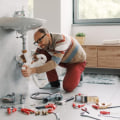
- Fixing Leaky Faucets: A dripping faucet can waste a significant amount of water. Most leaks can be fixed by replacing washers or O-rings, which are inexpensive and easy to find.
- Painting Walls: A fresh coat of paint can transform a room. With some basic supplies and a little patience, you can achieve professional-looking results.
- Changing Light Fixtures: Upgrading light fixtures is a straightforward task that can enhance the ambiance of your home.
Just ensure you turn off the power before starting.
- Repairing Drywall: Small holes and dents in drywall can be easily patched with spackle or joint compound. Sanding and painting afterward will make the repair nearly invisible.
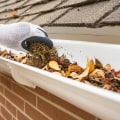
- Cleaning Gutters: Regular gutter maintenance is essential to prevent water damage. Climbing a ladder to clear out leaves and debris is a simple yet effective task.
- Replacing Air Filters: Keeping your HVAC system running efficiently is crucial. Regularly changing air filters is an easy task that improves air quality and system performance.
If you feel uncertain about a task, it’s always wise to consult online tutorials or ask for advice from experienced friends or family members. Remember, taking on common tasks around the house not only saves money but also gives you a sense of accomplishment!
When to Call a Professional: Signs You Need Help
Determining whether a home repair is a DIY project or requires professional assistance can be challenging. Here are some key indicators that suggest it may be time to call in a professional:- Complex Repairs: If the repair involves intricate systems such as electrical wiring, plumbing, or structural elements, it’s best to consult a professional. For instance, replacing a water heater or fixing a major leak can lead to further damage if not handled correctly.
- Safety Concerns: Any repair that poses a risk to your safety should be left to the experts.
This includes tasks like roof repairs, where falls can occur, or dealing with hazardous materials such as asbestos. If you feel uncertain about your safety while performing a task, it’s wise to hire someone qualified.
- Lack of Experience: If you find yourself lacking the necessary skills or tools for a specific repair, it’s better to seek help. For example, installing new electrical fixtures requires knowledge of local codes and safety standards that most homeowners may not possess.
- Time Constraints: Sometimes, the time required for a repair exceeds what you can realistically commit. If you’re juggling work and family responsibilities, hiring a professional can save you time and ensure the job is done right.
Cost Considerations: DIY vs.
Professional ServicesWhen considering whether to tackle a home repair yourself or hire a professional, cost is often a significant factor. Understanding the financial implications of both options can help you make an informed decision.
DIY Costs
- Materials: The first expense in any DIY project is the cost of materials. Depending on the repair, this can range from inexpensive supplies like paint and caulk to more costly items like plumbing fixtures or electrical components.
- Tools: If you don’t already own the necessary tools, you may need to purchase or rent them. This can add significantly to your overall costs, especially for specialized equipment.
- Time: While not a direct monetary cost, the time you invest in a DIY project is valuable.
Consider whether you have the time to dedicate to learning and completing the repair.
Professional Service Costs
- Labor: Hiring a professional typically involves labor costs, which can vary widely based on the complexity of the job and your location. For example, hiring a plumber or electrician may cost more than hiring a handyman for minor repairs.
- Warranty and Insurance: Professional services often come with warranties on their work, providing peace of mind that if something goes wrong, it will be fixed at no additional cost. Additionally, professionals are usually insured, protecting you from liability in case of accidents.
- Long-term Savings: While the upfront cost of hiring a professional may be higher, it can save you money in the long run by ensuring the job is done correctly and preventing future issues that could arise from improper repairs.
Tools and Resources for DIY Home Repairs
When embarking on DIY home repairs, having the right tools and resources at your disposal is crucial for success.Whether you're fixing a leaky faucet or patching drywall, the following tools and resources can help you tackle various projects with confidence.
Essential DIY Tools
- Basic Hand Tools: A good toolkit should include a hammer, screwdrivers (both flathead and Phillips), pliers, and a tape measure. These are the foundation of any home repair project.
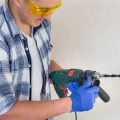
- Power Tools: Depending on the complexity of your repairs, consider investing in a drill, circular saw, or jigsaw. These tools can significantly speed up your work and improve precision.
- Safety Gear: Don’t forget to protect yourself! Safety goggles, gloves, and a dust mask are essential when working on home repairs to prevent injuries.
Resources for Home Repair
- Online Tutorials: Websites like YouTube and DIY blogs offer countless video tutorials that can guide you through specific repairs step-by-step.
- Home Improvement Stores: Many local hardware stores provide workshops or classes on basic home repair skills. Check their schedules for upcoming events.
- Books and Manuals: Consider investing in a comprehensive home repair manual.
These books often cover a wide range of topics and can serve as a handy reference during projects.
Safety Tips for DIY Home Repairs
When it comes to DIY home repairs, safety should always be your top priority. Engaging in home repair and maintenance tasks can be rewarding, but it also comes with inherent risks.Here are some essential safety tips to keep in mind:
- Wear Appropriate Personal Protective Equipment (PPE): Always use safety goggles, gloves, and masks when necessary. This protects you from dust, debris, and harmful substances.
- Assess Your Environment: Before starting any project, evaluate the workspace for potential hazards. Ensure that the area is well-lit and free from clutter.
- Use Tools Correctly: Familiarize yourself with the tools you will be using. Read the manuals and follow the manufacturer’s instructions to avoid accidents.
- Work with a Buddy: Whenever possible, have someone assist you.
This not only makes the job easier but also provides immediate help in case of an emergency.
- Know Your Limits: If a task seems too complicated or dangerous, don’t hesitate to call a professional. It’s better to be safe than sorry.
- Keep a First Aid Kit Handy: Accidents can happen even with the best precautions. Having a first aid kit nearby ensures you can address minor injuries quickly.
Remember, a safe working environment is key to successful DIY home repairs.
Frequently Asked Questions About Home Repair and Maintenance
When it comes to home repair and maintenance, many homeowners find themselves asking a variety of questions. Here are some of the most frequently asked questions that can help you determine whether a repair is a DIY project or if you should call in a professional.What are common home repairs I can do myself?
Many homeowners can tackle simple repairs without professional help. Common DIY projects include:- Fixing leaky faucets: Often, replacing a washer or O-ring can solve the problem.
- Painting walls: A fresh coat of paint can dramatically change the look of a room.
- Changing light fixtures: This is usually straightforward and can enhance your home’s ambiance.
- Repairing drywall: Small holes can be patched easily with spackle and paint.
When should I hire a professional?
While many repairs are manageable, some situations require expert intervention. Consider hiring a professional for:- Electrical work: If you're not experienced, this can be dangerous and may violate local codes.
- Plumbing issues: Major leaks or clogs often need specialized tools and knowledge.
- Roof repairs: Safety is paramount, and professionals have the right equipment to handle heights.
- Structural repairs: Any work that affects the integrity of your home should be left to experts.
How do I know if I have the skills for a DIY project?
Assess your skills honestly.Ask yourself:
- Do I have experience with similar tasks?
- Do I have the necessary tools?
- Am I comfortable following instructions or tutorials?
Conclusion: Making Informed Decisions About Home Repairs
In conclusion, navigating the world of home repair and maintenance can be both rewarding and challenging. Understanding your own skills and limitations is crucial in determining whether a repair is a DIY project or requires the expertise of a professional.Here are some key takeaways to consider:
- Assess Your Skills: Take an honest inventory of your abilities. Are you comfortable with tools and have you tackled similar projects before? If not, it may be wise to consult a professional.
- Evaluate the Complexity: Some repairs, like changing a light fixture or patching drywall, may be manageable for a novice. However, more complex issues such as plumbing or electrical work often require specialized knowledge.
- Consider Safety: If a repair poses safety risks, such as working at heights or dealing with hazardous materials, it’s best to hire a qualified expert.
- Time Commitment: DIY projects can be time-consuming. If you have a busy schedule, hiring a professional might save you time and stress.
- Cost Analysis: Weigh the potential costs of doing it yourself against hiring a professional.
Sometimes, the long-term savings from quality work justify the expense.