Home repair and maintenance are essential aspects of homeownership that often go overlooked until a problem arises. Understanding the difference between home repair and home maintenance is crucial for every homeowner. While home repair typically involves fixing issues that have already occurred, such as leaky faucets or broken tiles, home maintenance focuses on preventive measures to keep your home in optimal condition, including important tasks like attic insulation. This proactive approach not only enhances the longevity of your property but also saves you money in the long run. Engaging in is crucial for every homeowner. While home repair typically involves fixing issues that have already occurred, such as leaky faucets or broken tiles, home maintenance focuses on preventive measures to keep your home in optimal condition, including important tasks like attic insulation. This proactive approach not only enhances the longevity of your property but also saves you money in the long run. Engaging in DIY projects can be a rewarding way to tackle both repair and maintenance tasks.
Not only do these projects empower homeowners to take control of their living spaces, but they also foster a sense of accomplishment. From simple tasks like painting a room to more complex endeavors such as installing new fixtures, DIY projects can significantly improve your home's functionality and aesthetic appeal. Moreover, taking on these tasks yourself can provide valuable learning experiences and help you develop new skills. Homeowner tips often emphasize the importance of regular maintenance checks, which can prevent minor issues from escalating into costly repairs. By investing time and effort into understanding home repair and maintenance, you not only enhance your living environment but also increase the value of your property.
Common DIY Home Repair Projects
Homeowners often encounter various issues that can be easily resolved with some basic tools and a little know-how.Here are some common DIY home repair projects that you can tackle to improve your living space:
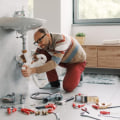
- Fixing Leaky Faucets: A dripping faucet can waste a significant amount of water. To fix it, turn off the water supply, remove the faucet handle, and replace the worn-out washer or O-ring. Reassemble the faucet and turn the water back on to check for leaks.
- Patching Drywall: Holes in drywall can be unsightly but are easy to repair. Start by cleaning the area around the hole, then apply a patch or use joint compound to fill it in.
Once dry, sand it smooth and paint over it to match the surrounding wall.
- Repairing Squeaky Doors: Squeaky doors can be annoying but are simple to fix. Apply a lubricant like WD-40 or even cooking oil to the hinges. Open and close the door several times to work the lubricant in, eliminating the squeak.
- Unclogging Drains: Clogged drains can often be cleared without calling a plumber. Use a plunger or a drain snake to remove blockages.
For minor clogs, a mixture of baking soda and vinegar can also help break down debris.
- Replacing Light Fixtures: Updating light fixtures can enhance your home’s aesthetic. Always turn off the power at the circuit breaker before removing an old fixture. Follow the manufacturer’s instructions for installing the new fixture, ensuring all connections are secure.
Essential Home Maintenance Tasks
Maintaining your home is crucial for ensuring its longevity and comfort.Regular home maintenance tasks not only enhance the aesthetic appeal of your property but also prevent costly repairs down the line. Here are some essential tasks to consider:
Seasonal Maintenance Checklists
- Spring: Inspect your roof for any damage from winter storms, clean gutters, and check for leaks in plumbing.
- Summer: Service your air conditioning unit, check window screens for tears, and inspect outdoor spaces for pest infestations.
- Fall: Clean and store outdoor furniture, check heating systems, and prepare your garden for winter.
- Winter: Insulate pipes to prevent freezing, check smoke detectors, and ensure that your heating system is functioning efficiently.
Appliance Maintenance
Your home appliances require regular upkeep to function optimally. Here are some tips:- Refrigerator: Clean the coils at least twice a year to improve efficiency.
- Washing Machine: Run a cleaning cycle monthly to prevent mold buildup.
- Dishwasher: Clean the filter regularly and run a vinegar cycle to remove buildup.
HVAC System Care
The HVAC system is vital for maintaining a comfortable indoor environment. Regular maintenance includes:- Changing air filters every 1-3 months to ensure proper airflow.
- Scheduling annual professional inspections to catch potential issues early.
Plumbing Upkeep
A well-maintained plumbing system can save you from significant headaches.Consider these practices:
- Inspect pipes for leaks or corrosion regularly.
- Clear drains of debris to prevent clogs.
- Know where your main water shut-off valve is located in case of emergencies.
Tools and Materials for DIY Projects
When embarking on DIY home repair and maintenance projects, having the right tools and materials is essential for achieving successful results. Below is a list of must-have tools and materials that every homeowner should consider keeping on hand.Essential DIY Tools
- Hammer: A versatile tool for driving nails, removing them, and general construction tasks.
- Screwdriver Set: A variety of screwdrivers (both flathead and Phillips) is crucial for assembling furniture and fixing appliances.
- Pliers: Useful for gripping, twisting, and cutting wires or small objects.
- Measuring Tape: Accurate measurements are vital for any project, making a measuring tape indispensable.
- Utility Knife: Perfect for cutting through various materials like cardboard, drywall, or rope.
- Level: Ensures that your installations are straight and even, which is particularly important for shelves and pictures.
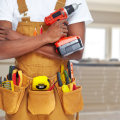
- Drill: A power drill can make tasks like hanging shelves or assembling furniture much easier.
Home Repair Materials
- Plywood: Great for repairs or building projects, plywood is a strong and versatile material.
- Duct Tape: Known for its strong adhesive properties, duct tape can temporarily fix a variety of issues.
- Wood Glue: Ideal for bonding wood pieces together in furniture repairs or crafting projects.
- Paint and Primer: Essential for refreshing walls or furniture; always choose high-quality products for the best results.
- Caulk: Used to seal gaps around windows, doors, and other areas to improve energy efficiency.
Safety Tips for DIY Home Repairs
When embarking on DIY home repair and maintenance projects, prioritizing safety is essential to ensure a successful and injury-free experience. Here are some crucial DIY safety tips to keep in mind:- Wear Appropriate Personal Protective Equipment (PPE): Always use safety goggles, gloves, and masks when working with tools or materials that could cause injury or exposure to harmful substances.
- Read Instructions Carefully: Before starting any project, thoroughly read the instructions for tools and materials.
Understanding how to use them correctly can prevent accidents.
- Keep Your Workspace Organized: A cluttered workspace can lead to accidents. Keep tools and materials organized and ensure that walkways are clear.
- Use Tools Properly: Familiarize yourself with the tools you are using. Improper use can lead to injuries. If you're unsure, seek guidance or watch instructional videos.
- Work in a Well-Ventilated Area: Many home repair projects involve chemicals or dust.
Ensure your workspace is well-ventilated to avoid inhaling harmful substances.
- Have a First Aid Kit Handy: Accidents can happen even with the best precautions. Keep a well-stocked first aid kit nearby to address minor injuries immediately.
- Don’t Work Alone: If possible, have someone assist you during your projects. This can be helpful in case of an emergency or if you need an extra set of hands.
Frequently Asked Questions about DIY Home Repair and Maintenance
When it comes to DIY home repair and maintenance, homeowners often have a plethora of questions.Here are some of the most frequently asked questions that can help you navigate your projects with confidence.
What are the most common DIY home repair projects?
Some of the most common DIY home repair projects include:- Fixing leaky faucets: A simple washer replacement can often solve this issue.
- Painting walls: A fresh coat of paint can transform a room.
- Repairing drywall: Patching holes and cracks is manageable with the right tools.
- Replacing light fixtures: Updating lighting can enhance both aesthetics and functionality.
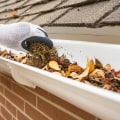
- Cleaning gutters: Regular maintenance prevents water damage to your home.
How do I know if a project is too big for me?
If a project requires specialized skills, tools, or permits, it may be best to consult a professional. Additionally, if you feel overwhelmed or unsure about safety, it's wise to seek help.What tools do I need for basic home repairs?
A basic toolkit for home repair and maintenance should include:- A hammer
- A set of screwdrivers (flathead and Phillips)
- A tape measure
- Pliers
- A utility knife
- A level
- A drill
How can I learn more about DIY repairs?
There are numerous resources available for learning about DIY repairs, including:- YouTube tutorials: Visual guides can be incredibly helpful.
- Home improvement books: Many libraries offer books on specific projects.
- Online forums: Communities like Reddit or specialized DIY websites can provide advice and support.
Conclusion: Empowering Homeowners through DIY Projects
In conclusion, DIY home repair and maintenance projects not only enhance the functionality and aesthetics of your living space but also empower you as a homeowner. By taking on these tasks, you gain valuable skills and confidence that can transform your approach to homeownership.Throughout this article, we explored various projects ranging from simple repairs like fixing leaky faucets to more complex tasks such as installing new flooring. Each project serves as an opportunity to learn and grow, making home maintenance less daunting and more rewarding.Here are some key takeaways:- Cost Savings: Tackling repairs yourself can significantly reduce expenses associated with hiring professionals.
- Skill Development: Engaging in DIY projects helps you acquire practical skills that can be beneficial in the long run.
- Personal Satisfaction: Completing a project provides a sense of accomplishment and pride in your home.
- Customization: DIY allows you to tailor repairs and improvements to fit your personal style and needs.
Start with manageable tasks, gather the necessary tools, and don’t hesitate to seek out resources such as online tutorials or community workshops. The more you practice, the more proficient you will become.So why wait? Take the first step today and discover the rewarding world of DIY home repair and maintenance. Your home—and your wallet—will thank you!.