Maintaining a home is not just about aesthetics; it is fundamentally about ensuring a safe and healthy environment for you and your loved ones. The importance of home repair and maintenance cannot be overstated, as it directly impacts your quality of life. Regular upkeep helps prevent minor issues from escalating into major problems, which can lead to costly common repairs and potential hazards. By prioritizing home maintenance, you are investing in the longevity of your property and the well-being of its inhabitants. Moreover, a well-maintained home contributes to a sense of comfort and security. cannot be overstated, as it directly impacts your quality of life. Regular upkeep helps prevent minor issues from escalating into major problems, which can lead to costly common repairs and potential hazards. By prioritizing home maintenance, you are investing in the longevity of your property and the well-being of its inhabitants. Moreover, a well-maintained home contributes to a sense of comfort and security.
When you address repairs promptly, you create a living space that is not only visually appealing but also functional. This proactive approach can significantly reduce stress levels, as you won’t have to worry about unexpected breakdowns or safety concerns. Additionally, maintaining your home can enhance its value over time, making it a wise financial decision. In essence, the benefits of home repair extend beyond mere aesthetics; they encompass health, safety, and financial stability. A healthy home environment is one where potential hazards are minimized, air quality is maintained, and structural integrity is preserved.
As we delve deeper into practical tips for home maintenance, remember that each small effort contributes to a larger goal: creating a sanctuary that supports your lifestyle and well-being.
Regular Inspections: The First Step to Home Safety
Maintaining a safe and healthy home environment begins with regular inspections. These proactive checks can help identify potential issues before they escalate into costly repairs or safety hazards. Here are some essential areas to focus on during your home inspections:- Roofing: Inspect your roof at least twice a year, especially after severe weather. Look for missing shingles, leaks, or signs of wear that could lead to water damage.
- Plumbing: Regularly check for leaks under sinks, around toilets, and in exposed pipes.
A small leak can lead to significant water damage and mold growth if left unchecked.
- Electrical Systems: Ensure that all outlets and switches are functioning correctly. Look for frayed wires or signs of overheating, which can pose fire risks.
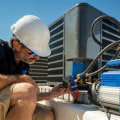
- HVAC Systems: Schedule annual inspections for your heating and cooling systems. Change filters regularly to maintain air quality and system efficiency.
- Foundation and Walls: Look for cracks in the foundation or walls that could indicate structural issues. Addressing these early can prevent more extensive damage.
This can include tasks such as:
- Checking smoke detectors and carbon monoxide alarms.
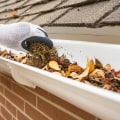
- Cleaning gutters and downspouts to prevent water damage.
- Inspecting windows and doors for drafts or damage.
Essential Home Repairs: Prioritizing What Matters Most
Maintaining a safe and healthy home environment requires attention to essential home repairs that can prevent larger issues down the line. Prioritizing these repairs not only enhances your living space but also safeguards your family's well-being. One of the most critical areas to address is leaks. Whether it's a dripping faucet or a more serious plumbing issue, leaks can lead to water damage and mold growth.Regularly inspect your plumbing fixtures and pipes for any signs of wear or damage. If you notice any leaks, it’s essential to fix them promptly to avoid escalating repair costs.
Mold issues
are another significant concern in home maintenance. Mold thrives in damp environments, making it crucial to keep areas like bathrooms and basements well-ventilated and dry. If you discover mold, it’s important to address it immediately, as exposure can lead to health problems.Consider using dehumidifiers in high-moisture areas and ensure that your home has adequate ventilation. Additionally, ensuring proper ventilation throughout your home is vital for maintaining air quality. Stale air can lead to various health issues, including respiratory problems. Regularly check that vents are unobstructed and consider installing exhaust fans in kitchens and bathrooms to help circulate air effectively. To help you stay on top of these essential repairs, consider creating a critical repairs checklist. This checklist can include:
- Inspecting plumbing for leaks
- Checking for signs of mold
- Ensuring proper ventilation in all rooms
- Testing smoke detectors and carbon monoxide alarms
- Inspecting the roof for missing shingles or leaks
Seasonal Maintenance: Preparing Your Home Year-Round
Maintaining a healthy and safe home environment requires attention to seasonal changes.Each season brings unique challenges and opportunities for home repair and maintenance. Here are some essential tips to prepare your home year-round:
Winter Preparation
- Insulate Pipes: To prevent freezing, insulate exposed pipes in unheated areas such as basements and attics. Use foam pipe insulation or heat tape.
- Check Heating Systems: Schedule a professional inspection of your heating system to ensure it operates efficiently. Replace filters and clean vents to improve air quality.
- Seal Drafts: Inspect windows and doors for drafts.
Use weather stripping or caulk to seal gaps, which can help reduce heating costs.
- Prepare for Snow: Keep walkways clear by having a snow shovel or snow blower ready. Stock up on ice melt to prevent slips and falls.
Spring Maintenance
- Inspect Roof and Gutters: After winter, check for any damage to your roof and clean out gutters to prevent water damage during spring rains.
- Service Air Conditioning: Before the heat of summer arrives, have your air conditioning system serviced. Clean or replace filters to ensure optimal performance.
- Check Smoke Detectors: Test smoke detectors and replace batteries as needed. This simple task can save lives in case of an emergency.
Summer Home Care
- Maintain Landscaping: Regularly trim trees and bushes to prevent them from damaging your home during storms.
Ensure that plants are not blocking vents or air conditioning units.
- Inspect Outdoor Equipment: Check grills, patio furniture, and outdoor lighting for safety. Repair any damaged items before using them.
- Monitor Humidity Levels: Use dehumidifiers in damp areas like basements to prevent mold growth, which can affect indoor air quality.
Creating a Healthy Indoor Environment
Maintaining a healthy indoor environment is essential for your overall well-being. One of the key aspects of this is ensuring good indoor air quality.Here are some effective tips to help you achieve that:
- Improve Ventilation: Regularly open windows and doors to allow fresh air to circulate. This helps to dilute indoor pollutants and brings in cleaner air.
- Use Air Purifiers: Invest in a high-quality air purifier equipped with HEPA filters. These devices can significantly reduce airborne allergens such as dust, pollen, and pet dander.
- Regular Cleaning: Dust and vacuum your home frequently using a vacuum with a HEPA filter. This will help to minimize the accumulation of allergens.
- Control Humidity: Keep indoor humidity levels between 30% and 50%.
Use dehumidifiers in damp areas like basements to prevent mold growth, which can exacerbate allergies.
- Natural Air Purifiers: Certain plants, such as spider plants, peace lilies, and snake plants, are known for their ability to filter toxins from the air.
- Humidity Regulation: Plants release moisture into the air through a process called transpiration, which can help maintain optimal humidity levels.
- Stress Reduction: The presence of greenery has been shown to reduce stress and improve mood, contributing to a healthier living environment.
Safety Measures: Protecting Your Home from Hazards
Ensuring a safe home environment is crucial for the well-being of your family. Implementing effective home safety measures can significantly reduce the risk of accidents and hazards. Here are some essential tips to consider:- Install Smoke Detectors: Place smoke detectors in every bedroom, outside sleeping areas, and on every level of your home. Test them monthly and replace batteries at least once a year.
- Carbon Monoxide Detectors: Install carbon monoxide detectors near sleeping areas and on every level of your home.
Regularly check their functionality to prevent carbon monoxide poisoning.
- Fire Extinguishers: Keep fire extinguishers in key areas such as the kitchen, garage, and near fireplaces. Ensure that all family members know how to use them.
- Clear Clutter: Maintain clear pathways in your home to prevent trips and falls. Regularly declutter areas like hallways and stairs.
- Secure Rugs and Carpets: Use non-slip mats under rugs to prevent slipping, especially in high-traffic areas.
- Childproof Your Home: If you have young children, install safety gates, outlet covers, and cabinet locks to keep hazardous items out of reach.
- Create an Escape Plan: Develop a fire escape plan with your family, ensuring everyone knows two ways out of each room.
- Avoid Overloading Outlets: Do not overload electrical outlets or use damaged cords, as this can lead to electrical fires.
- Keep Flammable Materials Away: Store flammable materials like gasoline and cleaning supplies away from heat sources.
Regularly reviewing and updating your safety protocols is essential for maintaining a safe home.
DIY vs. Professional Help: When to Call an Expert
When it comes to home repair and maintenance, homeowners often face the dilemma of whether to tackle repairs themselves or hire a professional. Understanding the balance between DIY projects and professional help is crucial for ensuring safety, quality, and cost-effectiveness.Assessing Your Skills and Tools
Before deciding on a DIY approach, evaluate your skills and the tools at your disposal. Simple tasks like painting, changing light fixtures, or minor landscaping can often be handled by most homeowners.However, if a project requires specialized knowledge or tools—such as electrical work or plumbing—it's wise to consider hiring a contractor.
When to Hire a Contractor
There are specific scenarios where hiring a professional is not just advisable but necessary:- Complex Repairs: Issues like structural damage, extensive plumbing problems, or electrical issues should be left to experts.
- Time Constraints: If you have a busy schedule, hiring a professional can save you time and ensure the job is done correctly.
- Safety Concerns: Projects that pose safety risks, such as roof repairs or hazardous material removal, should always be handled by professionals.
Cost-Effective Home Maintenance
While DIY projects can save money, it's essential to consider the long-term costs. Sometimes, attempting a repair without the necessary expertise can lead to more significant issues down the line, resulting in higher repair costs. Here are some tips for maintaining cost-effective home maintenance:- Regular Inspections: Conduct routine checks on your home’s systems (HVAC, plumbing, roofing) to catch issues early.
- Prioritize Repairs: Focus on repairs that will prevent further damage or enhance energy efficiency.
- Get Multiple Quotes: If you decide to hire a contractor, obtain several estimates to ensure you're getting a fair price.
FAQs About Home Repair and Maintenance
Maintaining a healthy and safe home environment often raises several questions among homeowners.Here are some frequently asked questions regarding home repair and maintenance that can help clarify common concerns:
- What are the most important home maintenance tasks?
Regular tasks include checking smoke detectors, cleaning gutters, inspecting HVAC systems, and sealing windows and doors. These actions not only enhance safety but also improve energy efficiency. - How often should I perform home maintenance?
A good rule of thumb is to conduct a thorough inspection of your home at least twice a year. Seasonal changes can affect different areas of your home, so adjusting your maintenance schedule accordingly is crucial. - What should I do if I find mold in my home?
If you discover mold, it’s essential to address it immediately. Small areas can often be cleaned with a mixture of water and detergent, but larger infestations may require professional remediation to ensure safety. - How can I prevent plumbing issues?
Regularly check for leaks, avoid pouring grease down the drain, and ensure that your pipes are insulated during colder months to prevent freezing.Additionally, consider scheduling annual plumbing inspections.
- When should I hire a professional for repairs?
If a repair task exceeds your skill level or involves significant safety risks—such as electrical work or major structural repairs—it's best to hire a qualified professional.
Conclusion: Building a Safe and Healthy Home Environment
In conclusion, maintaining a safe and healthy home environment is an ongoing commitment that requires attention to home repair and maintenance. By regularly assessing your living space and addressing potential hazards, you can significantly enhance the quality of life for you and your family. Throughout this article, we have explored various aspects of home maintenance, including:- Regular inspections to identify issues before they escalate.
- The importance of proper ventilation to prevent mold and improve air quality.
- Routine checks on plumbing and electrical systems to ensure safety and efficiency.
- The role of landscaping in preventing pests and enhancing curb appeal.
This proactive approach not only protects your investment but also fosters a sense of well-being within your home. Moreover, engaging family members in the maintenance process can instill a sense of responsibility and awareness about home safety. By working together, you can create a culture of care that extends beyond mere repairs, promoting a lifestyle centered around health and safety. Ultimately, the effort you put into home repair and maintenance will pay off in the long run. A well-maintained home is not just about aesthetics; it is about ensuring that your living space remains a sanctuary for you and your loved ones. Make it a priority to stay informed, take action, and enjoy the peace of mind that comes with knowing your home is safe and healthy.